


Prevention is about stopping harm before it happens, saving lives, reducing suffering, and building healthier, stronger communities.
Our Prevention Strategies program focuses on three areas of impact:
Substance Misuse Prevention
Suicide Prevention
Reducing Social Isolation
-
When we stop harm before it happens, we reduce pain, loss, and community cost. Prevention means:
Lower rates of substance use and overdose
Lower suicide rates
Healthier youth and families
Stronger community connection
-
We work with schools, community groups, and local coalitions to:
Plan and implement substance-free community events
Educate parents, students, and staff on prevention and wellness
Connect people to substance use and recovery recovery and mental health resources
Partner with youth and adult leaders to reduce social isolation and build resilience
Substance misuse remains one of the most pressing public health challenges in our region:
Alcohol is the most commonly misused substance in NH, including underage drinking and binge drinking.
Cannabis is the most commonly used substance among teens and young adults and is associated with potential long-term mental and physical health risks.
Prescription medications, especially opioid pain relievers, can increase the risk of dependence and overdose, and in some cases may lead to the misuse of substances such as heroin or fentanyl.
Substance Misuse Prevention
-
Education and outreach to youth and families
Local community coalitions that build resilience and reduce risk factors
Safe medication disposal programs:
Belmont Police Department-Accessible M-F 7am to 11pm
16 Fuller St
Belmont, NH
(603) 267-8351Franklin Police Department-Accessible 24/7
5 Hancock Terrace
Franklin, NH
(603) 934-2535Gilford Police Department-Accessible 24/7
47 Cherry Valley Road
Gilford, NH
(603) 527-4737Laconia Police Department-Accessible 24/7
126 New Salem Street
Laconia, NH
(603) 524-5252Moultonborough Police Department-Accessible M-S 7am to 8:30pm
1035 Whittier HWY.
Moultonborough, NH
(603) 476-2305New Hampton Police Department– Accessible M, W, F
24 Intervale Road
New Hampton, NH 03256
(603) 528-8585
Northfield Police Department– Accessible 24/7
138 Park Street
Northfield, NH 03276
(603) 286-8982
Strategic Planning
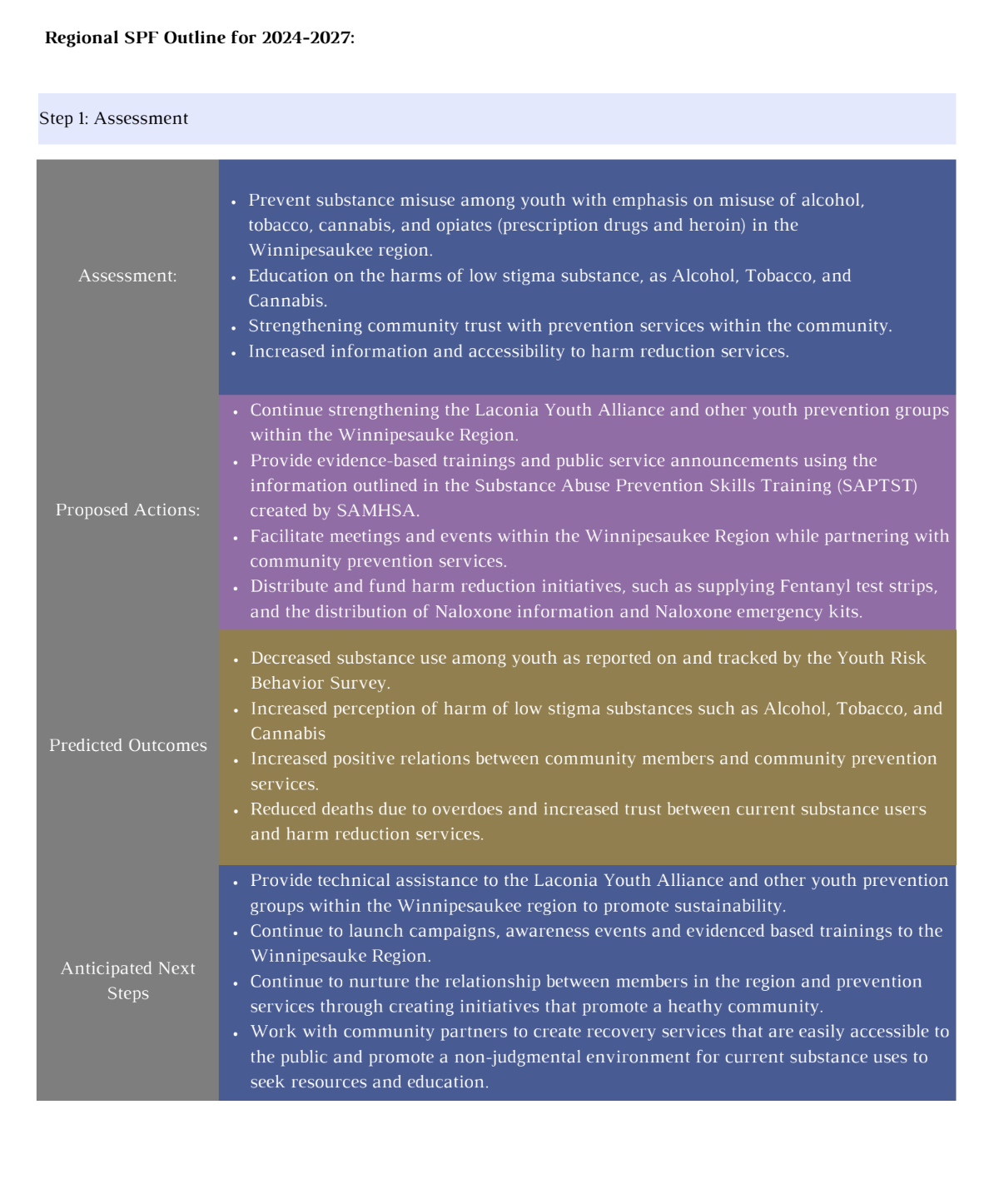
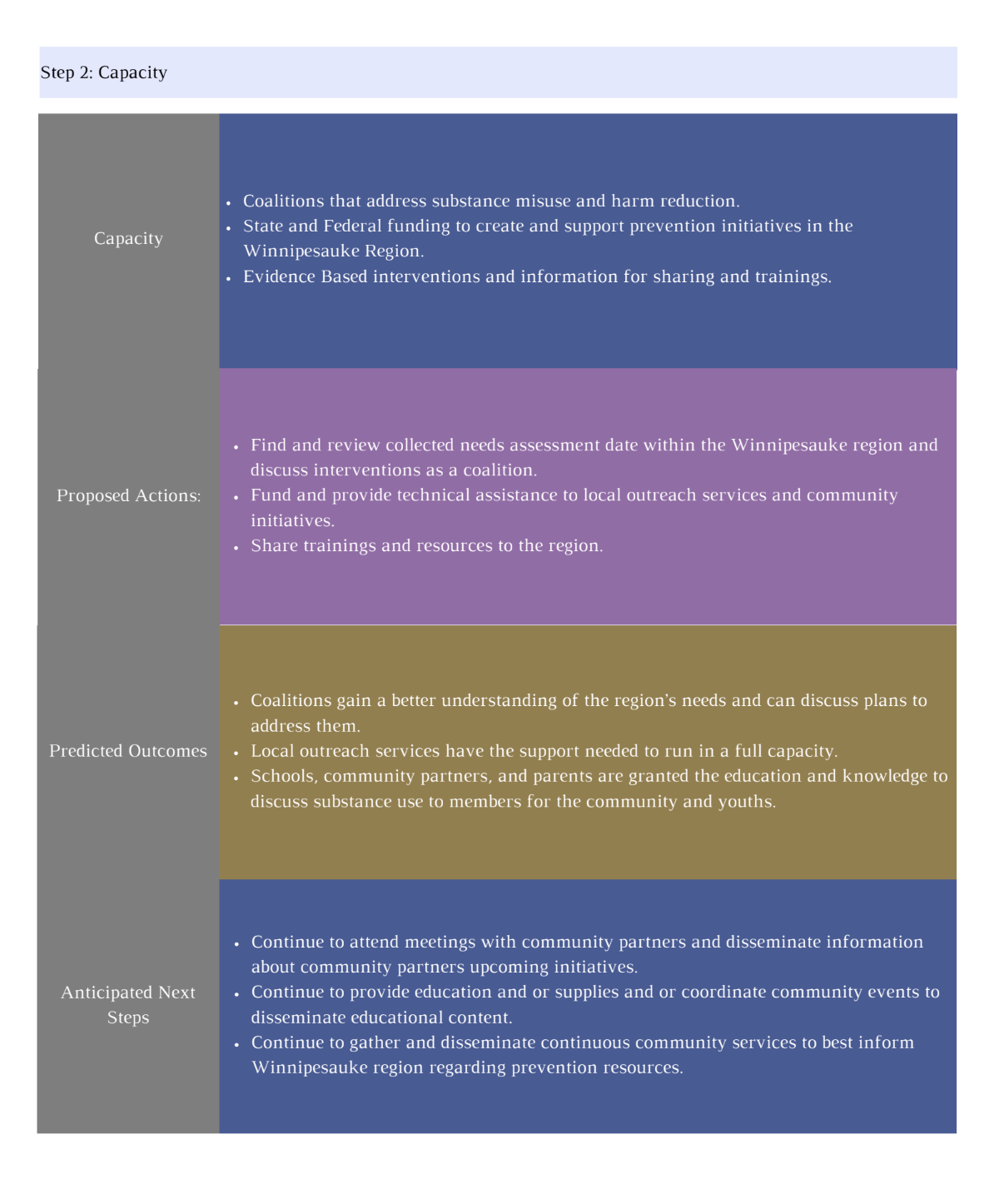
Our 3-Year Regional Strategic Plan (guided by SAMHSA’s Strategic Prevention Framework) sets clear goals and objectives for substance misuse prevention. View Plan →

Community Collaboration
Prevention in Partners in Community Wellness
Our prevention efforts rely on strong partnerships. PPH supports local coalitions and prevention providers to reduce the impact of substance use and suicide.
These efforts are guided by a community engagement model involving six key sectors: Business, Education, Health, Safety, Government, and Community-Based Supports.

Suicide Prevention
Suicide continues to be a leading cause of death among youth and young adults in New Hampshire. As of the most recent data, suicide remains the second leading cause of death for individuals aged 15 to 34 and the fourth leading cause for those up to age 55. In our region:
7.8% of high school youth reported attempting suicide in the past year (NH average: 8.5%).
Emergency department visits for suicide or self-harm are higher in the Winnipesaukee Region compared to the state average.
Veterans remain at elevated risk:
In 2022, 32 veteran suicides were recorded in New Hampshire.
Veterans in New Hampshire have a suicide rate significantly higher than the general population (33.3 per 100,000), highlighting the need for targeted prevention efforts.
PPH facilitates the Veteran Suicide Prevention Coalitions across New Hampshire by providing seed funding, strategic guidance, and coordination in partnership with the U.S. Department of Veterans Affairs and the NH Department of Military Affairs and Veterans Services.
Resources and Support:
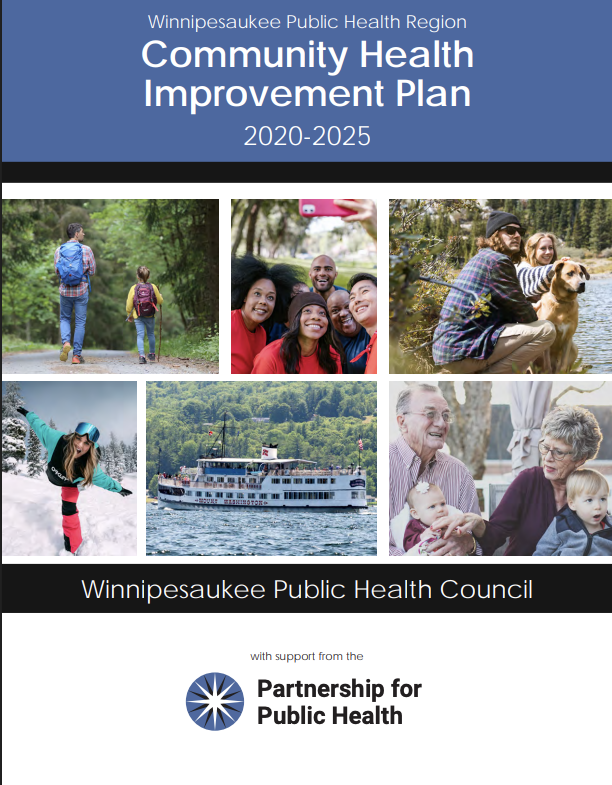
Community Health Improvement Plan
Priority Areas & Regional Data
Prevention Strategies are a key part of the region’s Community Health Improvement Plan (CHIP), which identifies substance misuse and suicide prevention as priority focus areas.

Join the Effort
Prevention is everyone’s job. Whether you’re an educator, parent, healthcare provider, or community leader, you have a role in reducing harm and saving lives.
Join our network of community leaders, educators, healthcare providers, and prevention advocates working to reduce harm and strengthen resilience in the Lakes Region. We meet monthly at HealthFirst in Laconia on the 3rd Thursday of every month, 9:00 a.m.
by the numbers
*2025 Annual Report

Community Health In Action
8.5% of teens in our region report having attempted suicide in the past year. (NH YRBS 2023)
Our CHIP strategies focus on early intervention, school-based support, and community education to reduce this number.