

When Disaster Strikes, Be the Help Until Help Arrives
Volunteer. Train. Be Ready.
PUBLIC HEALTH DOESN’T HAPPEN WITHOUT PEOPLE
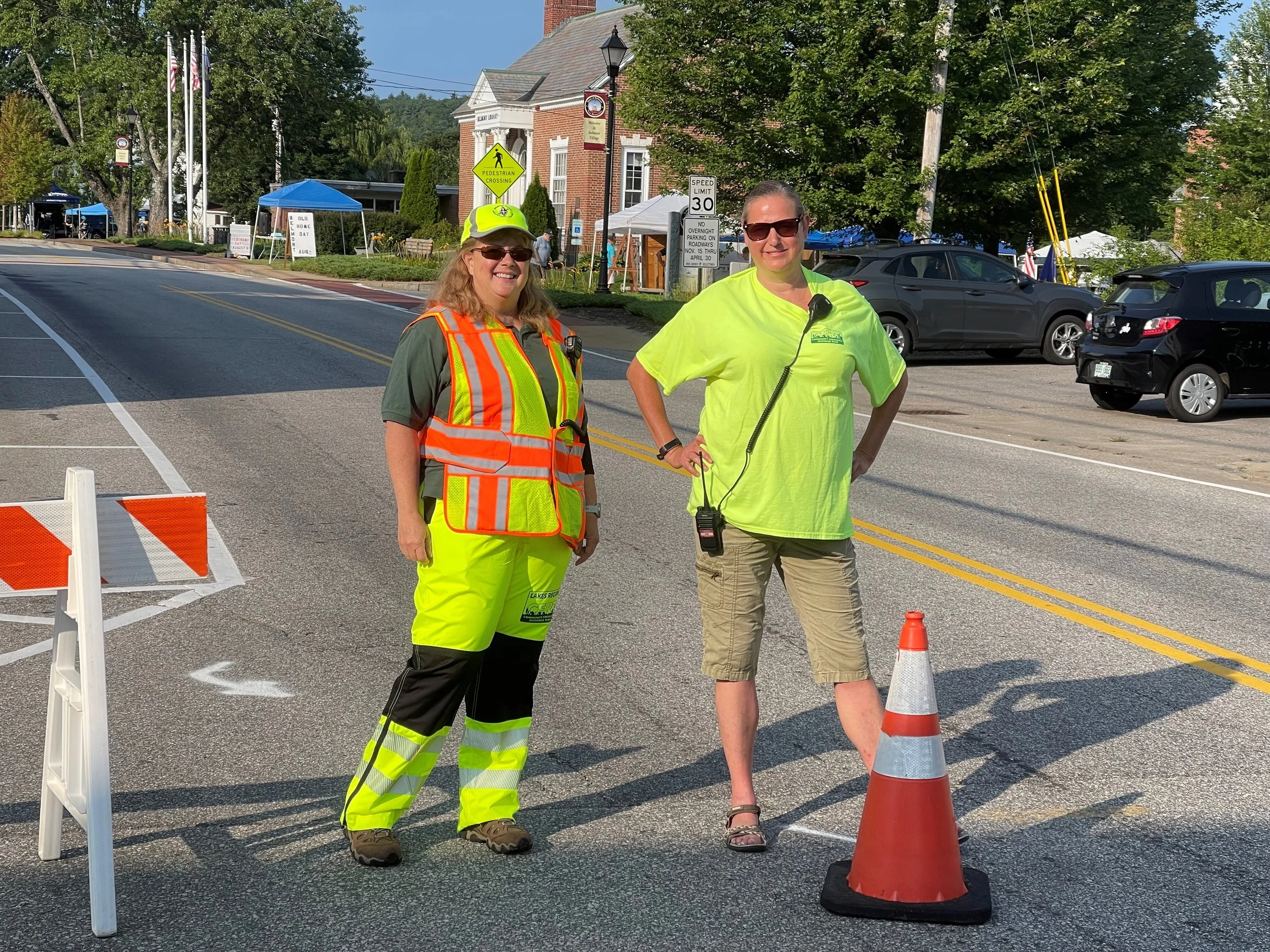
The LR-MRC and CERT program are always looking for dedicated volunteers ready to serve their community. The Lakes Region Medical Reserve Corps (LR-MRC) is a team of trained volunteers — from medical professionals and public health experts to everyday community members — supporting emergency preparedness, response, and public health across the Winnipesaukee region. Through our CERT program, volunteers build skills in first aid, fire safety, light search & rescue, and emergency coordination, joining a network of local residents and partners committed to keeping our communities safer, stronger, and ready.
Ready to Serve?
Start Here.
We offer several ways to get trained and ready to serve.
Whether you're looking for in-person sessions or a flexible hybrid option, our CERT Basic Training programs are offered throughout the year in collaboration with local and statewide partners.
You’ll gain hands-on skills in disaster preparedness, medical response, and team coordination, all designed to help you protect yourself and your community.
Local trainings are hosted throughout the Winnipesaukee region.
Hybrid options available through our statewide training partners.
-
LR-MRC welcomes both medical and non-medical volunteers, including:
Physicians, nurses, EMTs, and retired healthcare professionals
Mental health counselors, social workers, interpreters
Public health and admin staff
Clergy, legal professionals, logistics personnel
Students, retirees, and community members with a heart for service
You don’t need credentials to make a difference, you just need a willingness to help.
-
Volunteers support both emergency response and year-round public health initiatives, including:
Conducting assessments and triage
Staffing vaccination clinics and treatment centers
Providing mental health and language support
Helping with shelter operations and logistics
Promoting health literacy and disease prevention
Supporting public health education and outreach
-
Volunteers receive core training to prepare for deployment and community health events. Topics include:
Fire safety & utility control
Basic first aid, CPR & disaster medical operations
Light search & rescue
Team organization & communication
Psychological first aid
Emergency sheltering & incident command
CERT's role in large-scale emergencies
Public health outreach
Many trainings are offered online or in hybrid formats, with ongoing opportunities to stay engaged.
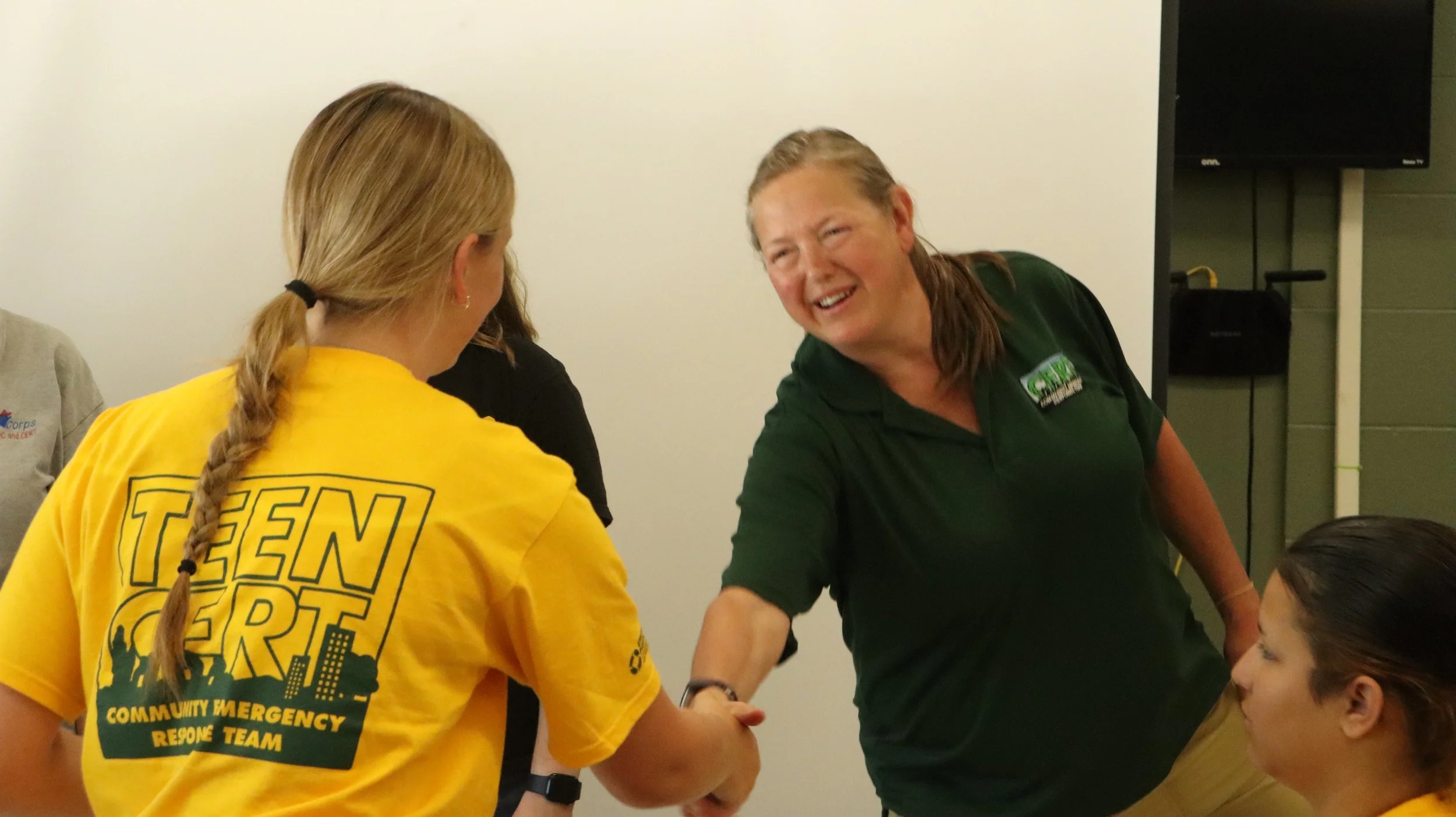
“The CERT program taught me how to stay calm and take action in an emergency, before professional responders arrive.”
Teen CERT Graduate, Laconia High School